
Introduction
Have you ever wondered why two clinics using similar panels get very different patient outcomes? In a typical outpatient scenario—where a physiotherapy practice adds red light sessions to its roster—reported improvement rates can vary by as much as 30% across providers, depending on protocol and device quality. I note that a red light therapy company will often promise consistent, science-backed outcomes, yet the legal and compliance frameworks that govern device claims remain murky. As counsel and operator, I watch contracts, warranties, and liability clauses (and yes, I flag ambiguous language) because regulatory compliance, product labeling, and informed consent are not optional. The question then becomes: how should a purchaser evaluate device performance, clinical claims, and contractual protections before committing to a vendor? This piece will move from scenario to technical failings, and then forward—so let’s unpack the weak links next.
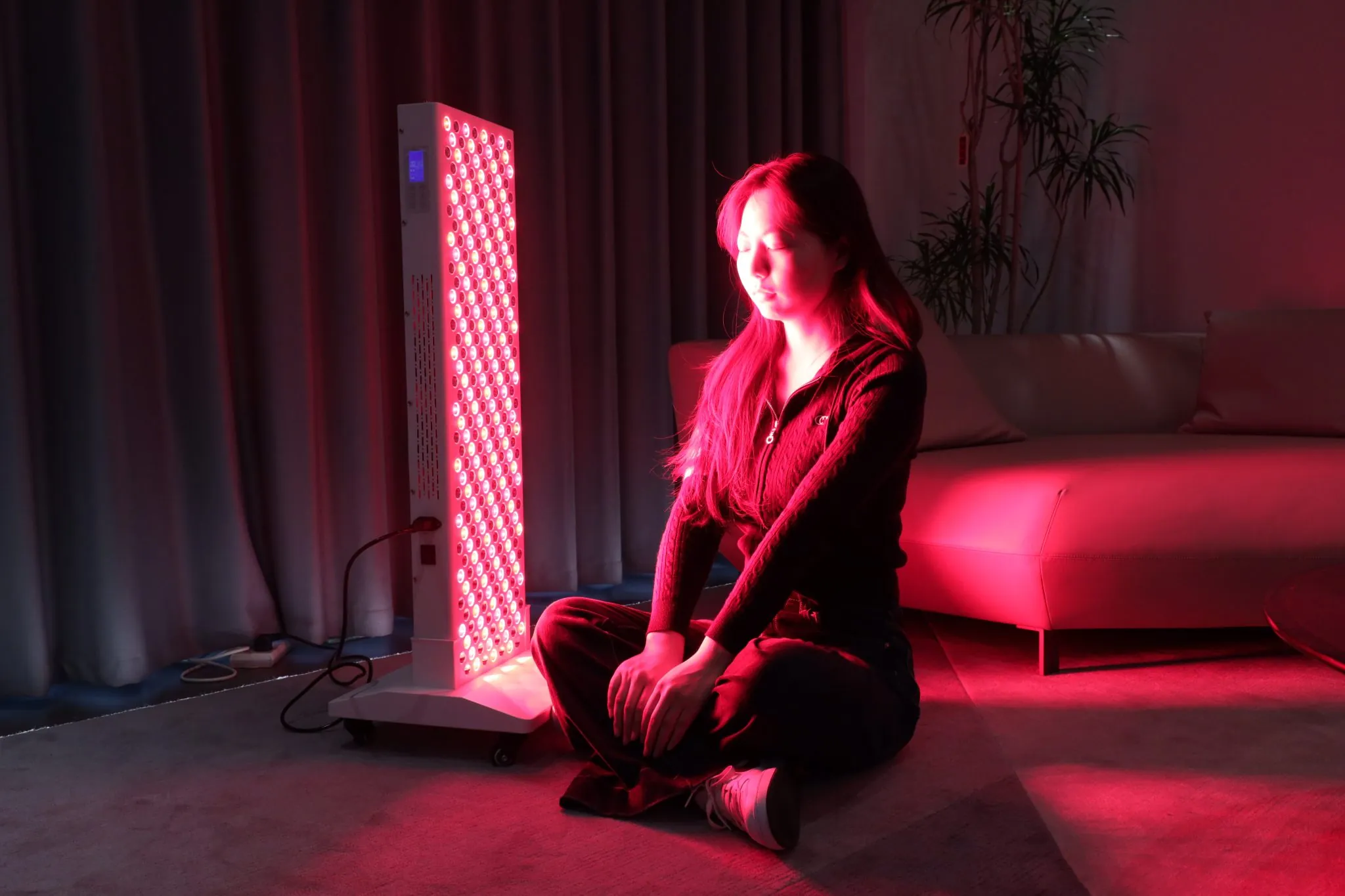
Why Top Vendors Still Leave Users Frustrated
I want to start by pointing to the obvious: not all suppliers are equal. If you look at market comparisons among top red light therapy companies, you’ll see variance in stated irradiance, warranty terms, and clinical support. The typical, traditional solution assumes that a higher number of LEDs or a celebrity endorsement equals better results. That is misleading. Technically, photobiomodulation depends on wavelength, irradiance (mW/cm²), and energy dose (joules/cm²)—not purely on LED count. I’ve seen lab data where a cheaper panel delivered adequate wavelength but lacked uniform irradiance. Result: patchy dosing across tissue. Look, it’s simpler than you think—dosage consistency matters more than flash.
Many providers gloss over practical flaws: lack of calibrated sensors, absent treatment logs, and insufficient user training. These gaps create hidden user pain points—clinicians scramble to track session duration, patients complain about uneven relief, and technicians field warranty claims that read like a legal thriller. From my experience, two common failures are poor thermal design (leading to heat drift) and vague dosing charts that ignore target depth. Those are not fancy problems; they are basic engineering and protocol issues that translate into real-world disappointment. In short, the technical specs alone won’t save you—service, validation, and clear metrics will. — funny how that works, right?
So what breaks first?
Most often: measurement, not the LEDs. If you don’t measure irradiance accurately, you can’t standardize therapy. That’s the user pain point no one loves to admit.
Future Outlook: Practical Principles and Selection Metrics
Building on those gaps, I look ahead and assess solutions that combine validated hardware with transparent protocols. Many of the top red light therapy companies are moving toward integrated dose monitoring, standardized wavelength reporting (often 660 nm and 810 nm for combined visible and near-infrared effects), and cloud-based treatment logs. I believe this is the right direction. Clinics that adopt closed-loop systems—sensors feeding back real-time irradiance to adjust exposure—will reduce variability and improve outcomes. We should expect manufacturers to publish calibrated irradiance maps and to provide clear joules/cm² targets for tissue depth. — and that’s not all.
Case examples show promise. I recently reviewed a pilot in which a clinic switched to devices with built-in sensors and saw a 20% lift in measured patient-reported recovery scores over three months. The device manufacturer provided training modules and a simple dashboard that logged every session. That eliminated guesswork, reduced call-backs, and improved patient trust. From a procurement perspective, I favor vendors who offer documented photobiomodulation studies, clear warranty remedies, and accessible technical support. Those are the signals of a supplier who understands both hardware and clinical workflow. I’m now more inclined to prioritize evidence and transparency over marketing gloss.

What’s Next for Buyers?
As you evaluate vendors, focus on measurable criteria and insist on trial periods or pilot programs before full deployment. Standardization—on wavelength, irradiance, and dosing—will be the practical change agent for better outcomes.
Conclusion — Three Practical Metrics I Use When Recommending a Supplier
Let me be blunt: hype won’t protect your patients or your balance sheet. I recommend three concrete metrics to cut through the noise. First, verified irradiance maps across the emit surface (mW/cm²). Second, documented dose guidance in joules/cm² linked to target tissue depth. Third, service and training provisions—fast support, firmware calibration, and clinical onboarding. If a vendor can’t produce those, I won’t endorse them. You can measure these during a pilot; I insist on it. Choosing wisely now saves frustration later and improves patient care. In the end, practical transparency beats polished ad copy every time. For suppliers that meet these tests, I often point peers to their profiles—Magique Power—because they combine technical clarity with usable service. Magique Power