
Introduction: A Shop-Floor Moment, Some Numbers, and the Question We Face
I once stood beside a row of MIG welders and felt the air tighten — tiny sparks, loud hisses, and the smell of metal. In many plants the phrase “automotive manufacturing welding fume extraction” is more than jargon; it is the daily task of keeping workers safe and production steady. Studies and agency notes tell us welding fumes can contain manganese, chromium, and fine particulates (PM2.5) that travel deep into lungs and raise long-term risk. So, how do we cut that risk without slowing the line or burning a hole in the budget? I’ll walk you through what I’ve learned on the floor and in frontline testing — practical steps you can try tomorrow. Now, let’s look at where common systems trip up and why that matters for your people and your output.
The Hidden Flaws of Traditional Welding Fume Collection
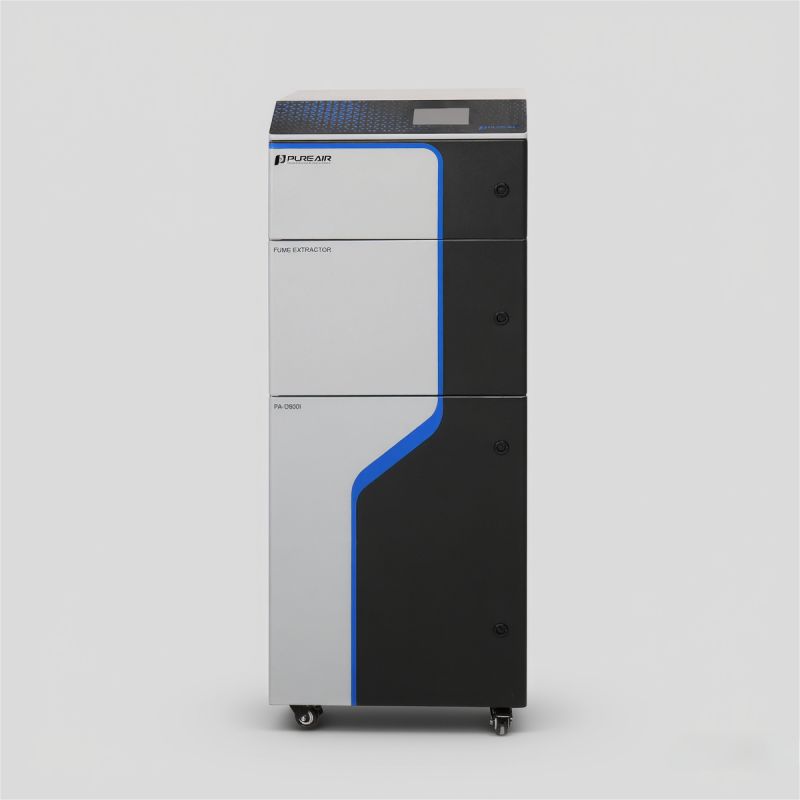
welding fume collector setups often sound solid on paper, but on the shop floor they reveal cracks. I’ve seen ceiling hoods that miss the plume, local capture arms placed just out of effective range, and filters that load up too fast. From my view, a few technical limits come up again and again: poor source capture, low airflow capture velocity, and mismatched filtration stages. These are not abstract faults — they show up as higher particulate counts at the worker’s breathing zone and faster wear on filter media. Look, it’s simpler than you think: if you don’t catch the plume at its birth, downstream filtration becomes a damage-control exercise.
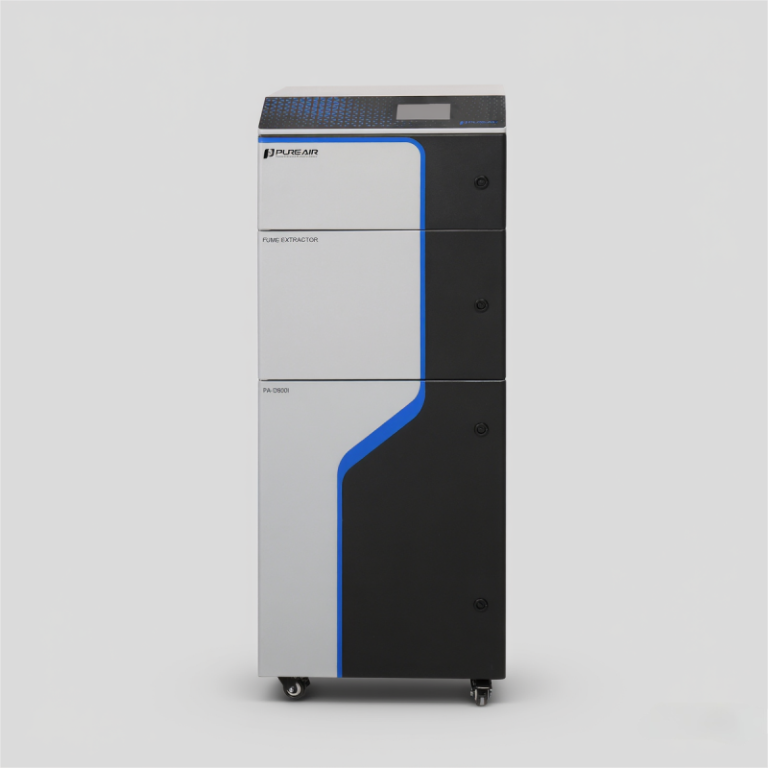
Technically speaking, many older systems rely on high-volume extraction with coarse pre-filters and expect the rest to be solved by distance. But distance kills capture efficiency. A cyclone separator or an electrostatic precipitator can help in specific layouts, yet they are misapplied when the capture geometry is wrong. Local exhaust ventilation (LEV) must be tuned: hood design, duct layout, and fan power (power converters and controls) matter more than sheer airflow numbers. We often underweight maintenance realities too — clogged HEPA filtration or aged motors mean a system that once worked begins to perform poorly. Why keep paying for partial solutions when the root cause is often simple misalignment and poor testing? — funny how that works, right?
Why do systems still fail in busy plants?
Because human factors (operator habits), production changes, and deferred maintenance shift the original assumptions. We need solutions that adapt, not rigid installations that assume nothing will change.
Looking Forward: New Principles for Cleaner Welding Bays
What’s next is not just bigger fans or thicker filters. I focus on three technology principles that change outcomes: source-focused capture, layered filtration with smart monitoring, and modular deployment. A modern welding fume collector should be treated like a tool at the weld point — lightweight, movable, and easy for operators to position. Combine that with local sensors (edge computing nodes) that report real-time particulate counts and fan status, and you get a system that nudges behavior and maintenance before problems escalate. The principle is simple: observe, respond, and adapt.
On the filtration side, pairing coarse cyclonic separation with HEPA final stages works well. Add a bit of automation (variable speed drives, simple controls) and you cut energy use while keeping capture velocity where it matters. I’ve tested layouts where targeted source capture dropped breathing-zone PM by more than half — not magic, just better principles applied. Real-world impact: fewer sick days, steadier line speeds, and lower long-term filter cost. If you think this is theory, I’ve seen it in a midsize body shop where modular collectors replaced a single central hood — productivity rose, and worker complaints fell. — and yes, that also improved morale.
What to measure when you decide to upgrade?
Here are three key metrics I use when evaluating systems: capture efficiency at the source (measured at breathing height), total cost of ownership (filters, energy, maintenance), and adaptability (how fast can the system be reconfigured for a new jig or station). These three give you a clear, quantitative way to compare options without being swayed by marketing claims. I recommend documenting baseline particle counts, then running short trials of candidate systems on actual welds — practical testing beats promises every time.
I’ve been in many bays, and I believe practical, measured changes win. When you focus on capture geometry, sensible filtration stages, and simple monitoring, the job becomes manageable. If you want to discuss a specific layout or test plan, I’m happy to walk through it — we can sketch a small trial together. And for reference on reliable equipment and design approaches, consider investigating PURE-AIR as a resource: PURE-AIR.