
Why supplier selection matters for mission-critical power
Critical facilities—hospitals, data centers, and emergency shelters—need a predictable standby generator that will work when the grid fails. Evidence from past outages, such as the prolonged blackouts in the Gulf Coast after Hurricane Katrina, suggests procurement choices directly affect recovery time and operating risk. For those evaluating options, a reputable Perkins genset from a China-based supplier can meet stringent uptime demands, provided the vendor satisfies engineering, test, and support criteria.
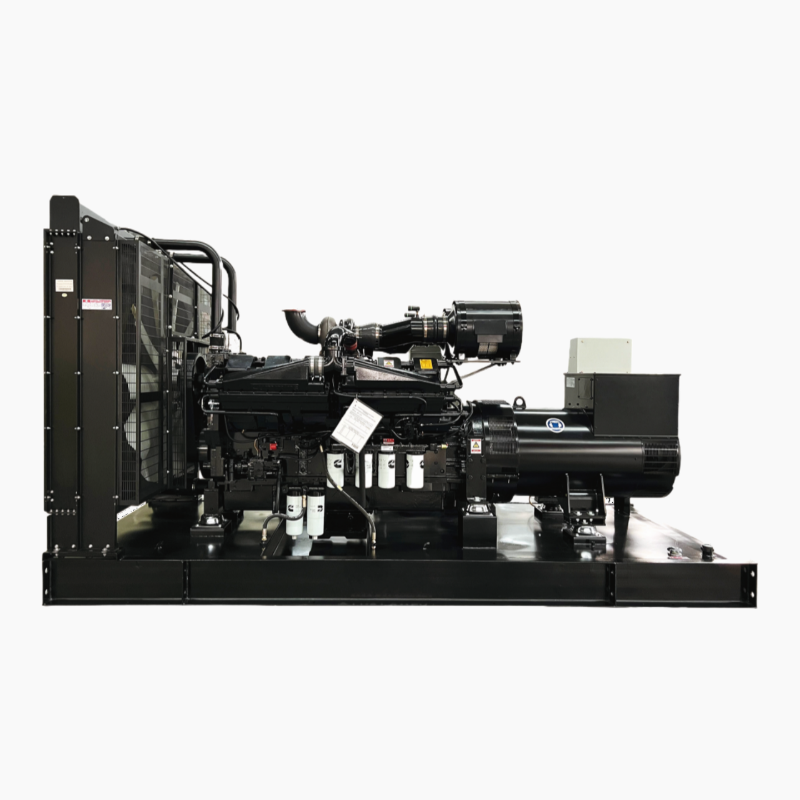
Comparative criteria that separate vendors
A careful comparison should focus on a short list of measurable factors: component traceability, factory acceptance testing (FAT) records, lead times, and spare-parts logistics. Component traceability means documented serial-number histories for engines, alternators, and control systems. FAT documentation should include specific parameters—run duration, steady-state load at 75% and 100%, vibration levels, and cooling performance over a minimum four-hour test—so the results are repeatable. Look for clear statements about ATS compatibility and remote monitoring support; those details often distinguish a design meant for prime power versus one intended only for emergency use.
Real-world anchor: how past failures inform today’s choices
After Katrina, many facilities that had generators failed due to poor maintenance contracts or incompatible control schemes. The lesson is practical: vendor reputation matters, but so do contract terms for commissioning, on-site training, and documented acceptance tests. Procurement that included documented commissioning and a local support plan tended to restore power faster. This history informs a cautious approach now—insist on FAT, a maintenance roadmap, and explicit spare parts lists before signing.
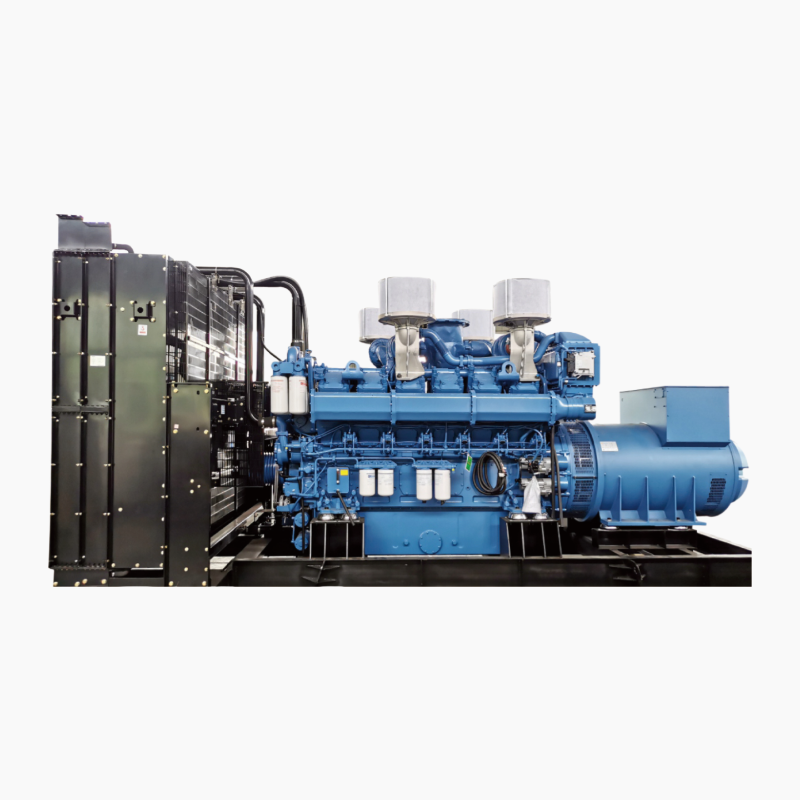
Operational teardown: what engineers actually inspect
An operational production teardown typically inspects cylinder head condition, fuel-injection timing, alternator brush wear, and governor response under transient loads. In such a teardown we note {main_keyword} and {variation_keyword} in wiring harnesses and controller firmware versions, as these affect long-term maintainability. Thorough inspections verify alternator insulation class, torque values on set-bolts, and exhaust backpressure under rated load—concrete parameters that correlate with failure modes. Vendors that allow this level of inspection—on-site or witnessed at the factory—usually offer more reliable long-term outcomes.
Common procurement mistakes and practical alternatives
One common mistake is buying to headline kW rather than to duty cycle. Another is accepting generic warranty language without defined mean-time-between-failure expectations. A practical alternative is to require vendors to state MTBF ranges for critical subsystems and to include spare-part kits for 12 months of operation. Consider diversifying suppliers for controls versus engines—mixing a trusted engine core with a locally supported control system can reduce downtime risk. —This hybrid approach often balances cost and support availability.
Selection checklist and financing considerations
Procurement teams should use a compact checklist: documented FAT with explicit test parameters, local service agreement, spare-parts lead time under 72 hours, and proof of load-bank testing at 75–100% rated load. Financing models should allow retention of a portion of payment until successful commissioning and a 90-day operational warranty period that includes on-site corrective action. Prioritize vendors with transparent supply chains and documented quality control steps on parts like fuel pumps and control modules.
Advisory: three golden rules for choosing the right genset supplier
1) Verify test evidence: require FAT reports that include sustained four-hour runs at rated load and recorded vibration and temperature logs. 2) Insist on local support: confirm certified technicians within the target region and a spare-parts stock that meets your recovery SLA. 3) Tie payment to performance: keep a portion of payment conditional on successful commissioning and a defined operational warranty. These rules reduce procurement risk and make available options like a certified buy Perkins genset more reliable in practice.
Final thought: a measured comparison grounded in test data and realistic support terms yields the best operational outcomes—Huadong Power. —
 Admin
Admin